
Everything you need to know about hazardous substances
Hazardous substances are everywhere. Everyone comes into contact with all kinds of substances and materials every day. Not every substance or material is an immediate danger to health
Jonnie4 min read
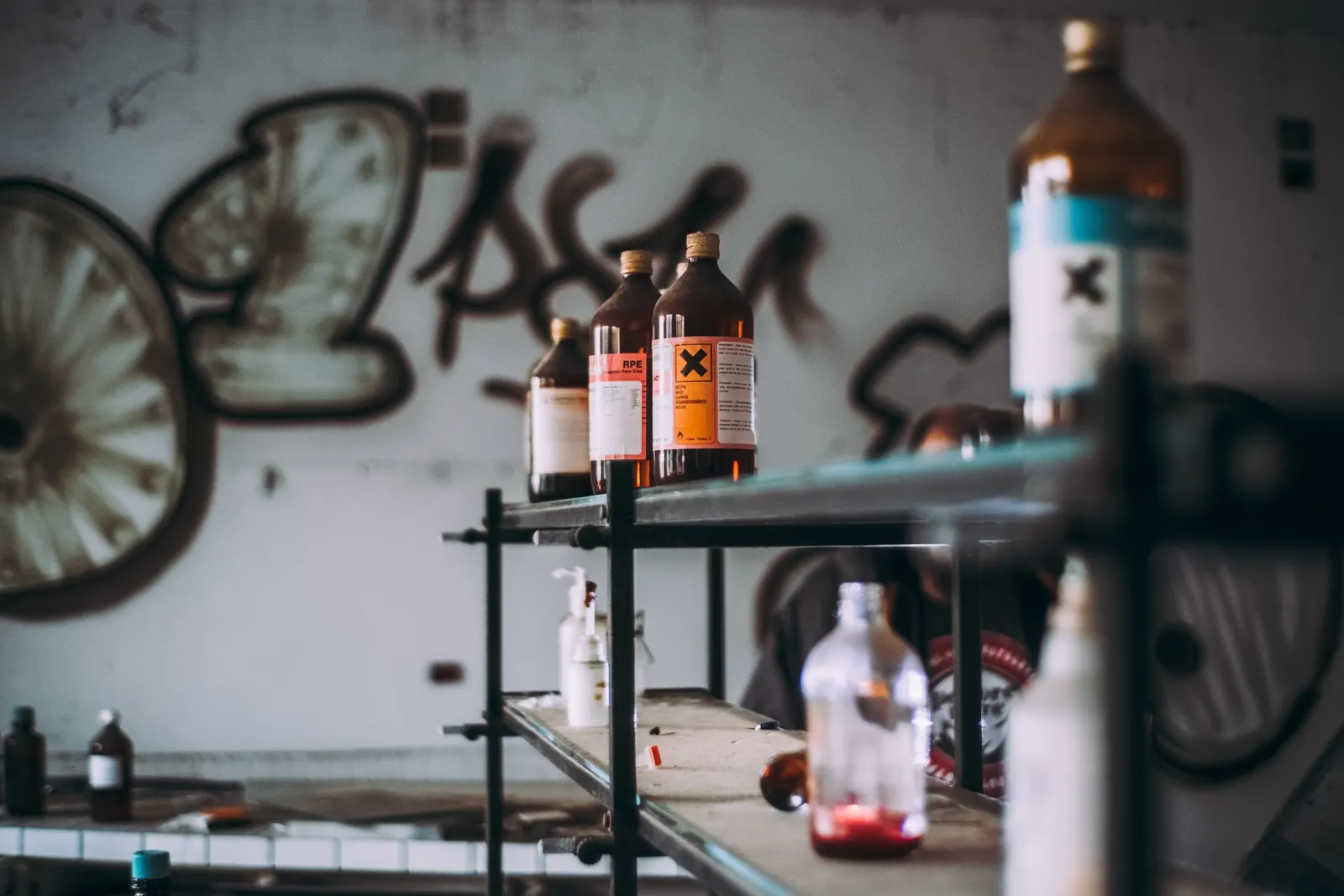
Everyone comes into contact with all kinds of hazardous substances and materials every day. Not every substance or material is an immediate danger to health. Whether a substance is harmful to health depends on the amount and the form in which it is absorbed. In principle, any substance can be harmful to health if you take in too much of it. Substances that are harmful to health even in small amounts are called toxic. In construction and industry, workers can be exposed to various hazardous substances that can damage their health.
Some of the most common hazardous substances in these sectors include:
- Asbestos: asbestos is a natural mineral that has been used in many building materials, such as insulation, roofing and ceiling tiles. Breathing in asbestos fibres can lead to serious lung diseases, including mesothelioma and lung cancer.
- Lead: lead is often found in paint, pipes and roofing. Exposure to lead can lead to kidney damage, neurological disorders and other health problems.
- Silica: silica is a common mineral found in stone, concrete and other building materials. Exposure to silica can lead to silicosis, a serious lung disease.
- Carbon monoxide: carbon monoxide is a colourless, odourless gas that is released when fuels such as gas, oil and wood are burned. Exposure to carbon monoxide can lead to dizziness, nausea, unconsciousness and even death.
- Chemical substances: in industry, workers can be exposed to various chemical substances, such as solvents, acids and alkalis. These substances can lead to skin irritation, eye irritation and other health problems.
Protection against hazardous substances
To protect workers, employers must take the necessary precautions. There are various measures employers can take to protect workers against exposure to hazardous substances in construction and industry. Some of the most effective measures are:
- Wearing personal protective equipment (PPE): wearing personal protective equipment, such as respiratory protection, eye protection, hearing protection, gloves and protective clothing, is always advisable when working with harmful substances.
- Ventilation: using good ventilation systems can reduce the concentration of hazardous substances in the air. Workers must also ensure sufficient airflow and ventilation in the work area, especially when working with solvents, paint and other chemical substances.
- Following safety procedures: workers must strictly follow the safety procedures drawn up by their employer. This includes handling hazardous substances correctly, cleaning up spills and avoiding unsafe working methods.
- Training: workers must be trained in the safe handling of harmful substances. They must understand which substances are hazardous and what the risks are, as well as how they can protect themselves and others.
- Hygiene: workers must wash their hands and clean their personal protective equipment regularly to minimise exposure to all harmful substances.
It is important that workers are aware of the risks involved in working with hazardous substances and that they actively take the necessary measures to protect themselves.
Absorption of hazardous substances
Harmful substances can enter the human body in three ways.
- The respiratory tract (lungs)
- Gases;
- Mists;
- Dust;
- The skin
- Liquids;
- The gastrointestinal tract
- Liquids;
- Solids.
Some examples of hazardous substances that employees of TDC Groep may come into contact with in their daily work are:
- Solvents
- Paint;
- Varnish;
- Glue;
- Acids and bases
- Hydrochloric acid;
- Caustic soda;
- Metals
- Lead;
- Zinc;
- Aluminium;
- Mercury;
How can you recognise hazardous substances?
Hazardous substances are generally difficult to recognise. A substance can easily be hazardous even when you cannot directly see or feel it.
You can recognise hazardous substances by the following characteristics:
- Colour of smoke; toxic smoke is usually yellow or brown. When the smoke does not come from a fire, it is often white or transparent;
- Smell; many hazardous substances cannot be detected by smell. Chlorine and ammonia, however, have recognisable smells that you can notice from a distance.
Where do you come across hazardous substances?
Unfortunately, hazardous substances are indispensable. They are used in almost every sector. Some of these sectors are cleaning, construction, industry, agriculture and healthcare.
Measures according to the occupational hygiene strategy
To limit the risk of hazardous substances as much as possible, various measures must be taken. Under the Arbowet (Dutch Working Conditions Act), the occupational hygiene strategy must be followed.
The occupational hygiene strategy is a hierarchical system of risk control measures. It looks first at the source of the problem. If nothing can be done about that, other measures are possible.
The occupational hygiene strategy follows the steps below:
- Source measures
- Using an alternative substance/a different production process;
- Technical measures
- Extraction/ventilation;
- Organisational measures
- Different layout of the production hall/different working method;
- Personal protective equipment
- Using respiratory protection/gloves.