
All about working ergonomically
Working ergonomically means optimising working conditions to improve the health, safety and efficiency of employees.
Jonnie6 min read
If you want to keep working until you are 67 and you have a physically demanding job, you (together with your employer) need to make sure that you can do your work in a physically responsible way; in other words, that you work ergonomically. But what exactly does that mean? In a nutshell, it comes down to treating your body in a sustainable way. In this blog we explain exactly what working ergonomically is, how you can work ergonomically, why it is so important, and more.
What is working ergonomically?
You can work ergonomically in many different sectors. To give specific examples, we will now focus on working ergonomically in construction. Since construction is known as physically heavy work, working ergonomically is very important in this industry.
Working ergonomically in construction is an approach that focuses on optimising working conditions to improve the health, safety and efficiency of construction workers. Construction work is often physically demanding and can put strain on the body, which in the long term can lead to injuries and health problems. Ergonomics in the construction sector aims to minimise these risks by adapting the workplace, tools, equipment and working methods to human anatomy and physiology.
Some important aspects of working ergonomically (construction) are:
- Workplace design: The design of workplaces and workstations must take into account the movement patterns and postures of the workers. Working heights, workbenches and tools must be positioned ergonomically to prevent unnecessary strain.
- Tools and equipment: Using ergonomically designed tools and equipment can reduce the strain on the body. Think of handles with a good grip, vibration damping on machines and adjustable equipment. There is also lifting equipment that uses vacuum technology to lift heavy objects in warehouses.
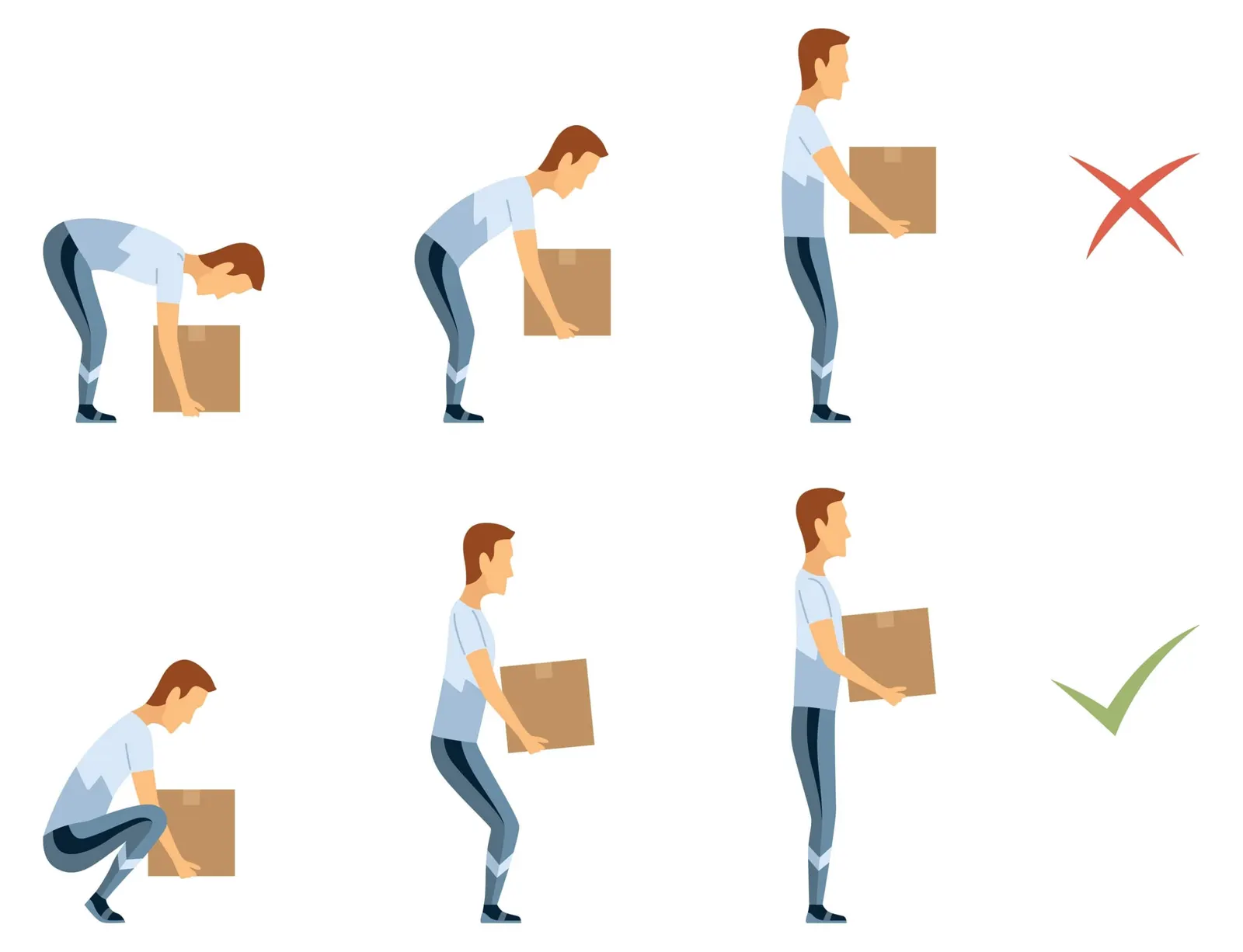
- Lifting techniques: Training in correct lifting techniques is essential to prevent back injuries and other problems. This includes using your legs instead of your back when lifting, and avoiding twisting movements while lifting.
- Breaks and variety: Repeating the same movements for a long time can lead to overload. Taking short breaks and switching between tasks can reduce the strain on specific muscle groups.
- Personal protective equipment (PPE): Ergonomics also includes wearing the right personal protective equipment, such as eye protection, knee pads, back supports and ergonomic shoes.
- Training and awareness: Employees must be trained to recognise ergonomic risks and to use the right working methods. Awareness of good ergonomic practices can help prevent injuries.
- Work organisation: Efficient planning of work, task rotation and avoiding excessive overtime can help reduce physical strain.
Why is working ergonomically important?
Working ergonomically is crucial for promoting the health, safety and productivity of employees in various sectors. It is all about creating a working environment that meets the physical and mental needs of employees, in order to prevent physical complaints and discomfort.
Preventing physical complaints
One of the main reasons why ergonomics in the workplace is so important is the prevention of physical complaints. By now we all know: prevention is better than cure. Ergonomically designed workplaces and tools reduce the risk of problems such as back pain, neck pain and carpal tunnel syndrome. By encouraging correct postures and movements, overload and injuries are prevented.
Increased productivity
Working ergonomically also leads to increased productivity. Comfortable, well-designed workplaces allow employees to concentrate better and work more efficiently without excessive fatigue. This contributes to a positive working environment and improves the overall efficiency of the work.
Reducing sickness absence
Another benefit of ergonomics is reducing absence and incapacity for work. Work-related injuries and pain can lead to absence and incapacity for work, which affects both employees and employers. By encouraging correct working practices, companies can reduce the number of sick days and lower the costs of incapacity for work.
Higher satisfaction among your employees
In addition, ergonomics leads to improved job satisfaction. Employees who work in an environment where attention is paid to their well-being usually feel more valued and more involved in their work. This has a positive effect on overall satisfaction and motivation.
Health
Working in a physically correct way also contributes to the long-term health of employees. By learning good ergonomic habits, health problems later in life can be prevented. Promoting ergonomic awareness at a young age has positive long-term effects on health.
Risk management
Another aspect is risk management. Ergonomically designed workplaces and processes reduce the risk of accidents and injuries, because they take into account the physical abilities and limitations of employees. This contributes to a safer working environment and protects employees against possible hazards.
Legal obligations for working ergonomically
Finally, legal obligations also play a role. Many countries have laws and regulations that require employers to provide a safe and healthy working environment for their employees. Promoting ergonomic working is an important part of these obligations.
In short, the aim is to protect the health and well-being of employees, increase productivity, and provide a safe and comfortable working environment. It is a holistic approach that takes the needs of employees into account to improve their overall work experience.
In which sectors is it important
Working in a physically responsible way is very important in various sectors where employees are physically active and where the right adjustments to the working environment can contribute to comfort, health and productivity. Some of these sectors are:
Working ergonomically in the office
This may not be the first type of job you think of when you think about the importance of working ergonomically. Yet it is crucial in office environments where employees spend long hours at a computer. The right chair and desk heights, adjustable monitors, keyboards and mice, and the correct positioning of accessories can help prevent complaints such as back pain, neck pain and RSI.
Industry and manufacturing
In factories, production facilities and assembly lines, employees often have to carry out repetitive tasks and do physical work. Ergonomic designs of workstations, tools and machines can reduce injuries and fatigue.
Healthcare
Healthcare providers, such as nurses and surgeons, need ergonomic environments to protect both their own health and that of patients. The right heights of hospital beds, ergonomic postures during medical procedures and suitable lifting techniques are vital to prevent injuries.
Transport and logistics
Jobs such as lorry drivers, warehouse workers and airport staff involve long periods of sitting, lifting and handling heavy objects. The right seats in vehicles, lifting training and attention to posture are essential to prevent injuries.
Education
Teachers and lecturers often spend long hours standing or sitting, which can lead to problems such as back pain and fatigue. The right furniture in classrooms and offices, as well as awareness of correct posture, can contribute to a healthier working environment.
Retail
Shop staff sometimes have to stand for long hours and carry out physical tasks, such as lifting stock. Good workplaces, attention to correct lifting techniques and enough breaks can help reduce physical strain.
Agriculture
In the agricultural sector, many tasks require physical effort, such as lifting, bending and standing for long periods. Ergonomic farm equipment, tools and training can help reduce the workload on employees' bodies.
In other words….
In short, working ergonomically is actually important in every sector! In all sectors, the physical health and comfort of employees play a role in preventing injuries, fatigue and long-term health problems. Do you already work ergonomically?