Career guide: solar panel installer
In this article you can read everything you need to know about the job of solar panel installer. What a solar panel installer earns, where they can work, etc.
Jonnie5 min read
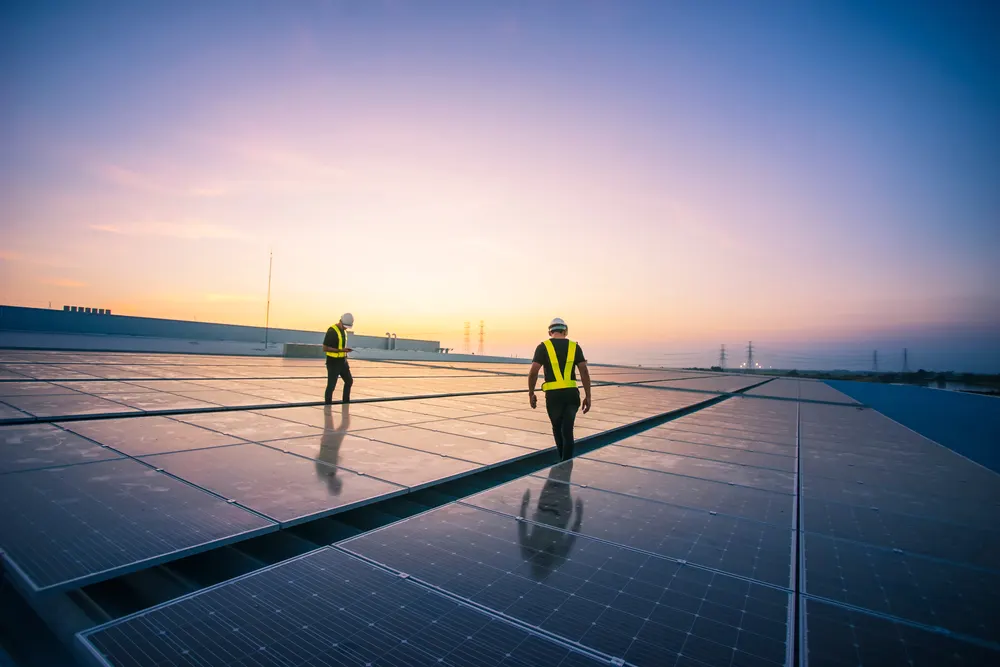
A solar panel installer is a skilled tradesperson who installs, maintains and repairs solar panel systems. They have knowledge of electrical and mechanical engineering and can work with a wide variety of materials and tools. The aim of a solar panel installer is to make sure the solar panel system works efficiently, safely and reliably.
What does a solar panel installer do?
Solar panel installers are responsible for installing, maintaining and repairing solar panel systems. This includes planning and carrying out the installation, connecting the panel to the mains power supply, testing the system and solving problems. It is important that the installer has electrical knowledge and can carry out a correct and safe installation. Would you also like to work as a solar panel installer? Then be sure to take a look at our jobs.
What specialisations can a solar panel installer have?
A solar panel installer can specialise in different areas, such as:
- Technical installation: focus on physically installing solar panels and connecting them to the electricity grid;
- Electrical engineering: focus on designing and installing the electrical systems needed to use solar panels, such as inverters and electrical cabling;
- Sustainable energy: focus on understanding and implementing sustainable energy solutions, such as solar panels, in homes and businesses;
- Project management: focus on managing projects related to the installation of solar panels, including planning, execution and handover;
- An installer can also focus on installing solar panels on specific types of buildings, such as roofs, façades or ground-mounted installations.
What does a solar panel installer earn?
In the Netherlands, a solar panel installer earns an average of €2,500 gross per month. A starting solar panel installer earns around €2,000, while the salary of more experienced employees can rise to a maximum of €3,500 gross per month. These amounts are based on a working week of 40 hours.
What skills does a solar panel installer need?
Solar panel technicians can specialise in different areas, such as:
- Technical installation: the emphasis is on the physical installation of solar panels and connecting them to the grid.
- Electrical engineering: you focus on the design and installation of the electrical systems needed to make the solar panels work, including inverters and electrical wiring.
- Renewable energy: the focus will be on understanding and implementing sustainable energy solutions such as solar panels for homes and businesses.
- Project management: focused on project management related to the installation of solar panels, from planning to construction and handover.
- Technicians can also focus on installing solar panels on specific types of buildings such as roofs, façades and ground-mounted installations.
In what settings can a solar panel installer work?
A solar panel installer can work in a number of different settings, such as:
- Housing: installing solar panels on the roofs of private homes.
- Commercial buildings: installing solar panels on the roofs of business premises, such as offices, shopping centres and distribution centres.
- Municipal installations: installing solar panels on the roofs of public buildings, such as schools, libraries and sports complexes.
- Agricultural land: installing solar panels on farms and agricultural land.
- Solar parks: working on the design, construction and maintenance of large-scale solar parks.
- Factories: installing solar panels on the roofs of manufacturing companies.
A solar panel installer can also work for an installation company, an electricity company or as a self-employed professional.
What training does a solar panel installer need?
Solar panel technicians can be trained in different ways, depending on the needs of their specific role and local regulations. Common courses are:
- MBO (Dutch secondary vocational education) programme: technical programmes at level 2 or 3, such as electrical engineering, installation engineering and sustainable energy;
- Professional training: electrical regulations, installation procedures and safety training;
- Certification: accredited by industry groups such as Solar Energy International (SEI) and the North American Board of Certified Energy Practitioners (NABCEP);
- Work experience: work experience in a related trade, for example as an electrician or construction worker, can help you develop the skills needed to install solar panels.
- Keep in mind that regulations and permit requirements for solar panel installations differ by region, and that some countries and states may require specific training for solar panel installers. We therefore advise you to contact the relevant government or industry organisations for more information about the required training.
What tools or equipment will a solar panel installer need?
A solar panel installer usually needs the following tools and equipment to get the job done.
- Electrical tools: for example a multimeter, voltmeter, clamp meter, insulation tester.
- Mounting tools: drills, brackets, drivers, spirit levels, etc.
- Solar panel components: solar panels, inverters, wiring, sockets, protective devices, etc.
- Safety equipment: climbing irons, fall protection, work gloves, safety glasses, etc.
- Transport: examples include ladders, wheelbarrows and trolleys for moving materials and equipment to the work site. It is important to stress that the exact tools and equipment needed may vary, depending on the specific projects and tasks of the solar panel installer. We therefore advise you to check the specific requirements of your employer or industry organisation before you start an installation project.
Who do you work with as a solar panel installer?
As a solar panel installer, you work with various people and stakeholders, depending on the specific project and the role you play. Some of the most common partners are listed below.
- Client: work closely with the owner or manager of the building or property where the solar panels will be installed.
- Architects and engineers: they work together with architects, engineers and other designers to determine the right system and configuration for installing solar panels.
- Installation company: to make the installation process run smoothly and efficiently, we often work together with installation companies and subcontractors.
- Suppliers and distributors: they work together with suppliers and distributors of materials and components for solar panels, such as: solar panels, inverters, wiring, etc.
- Government and regulatory bodies: you may need to work with governments and regulatory bodies to meet the permit and inspection requirements for solar panel installations.
- Other installers and technicians: especially on large installation projects, we may work together with other installers and technicians to improve the installation process.
It is important to note that specific partners may vary depending on the scale and complexity of the project. We therefore advise you to check the requirements of your specific employer or project for more information about partners.