
Career guide
Career guide: Insulation Installer
What does an insulation installer do? Discover the tasks, required skills, training and career opportunities in our career guide.
Laura Siegers4 min read
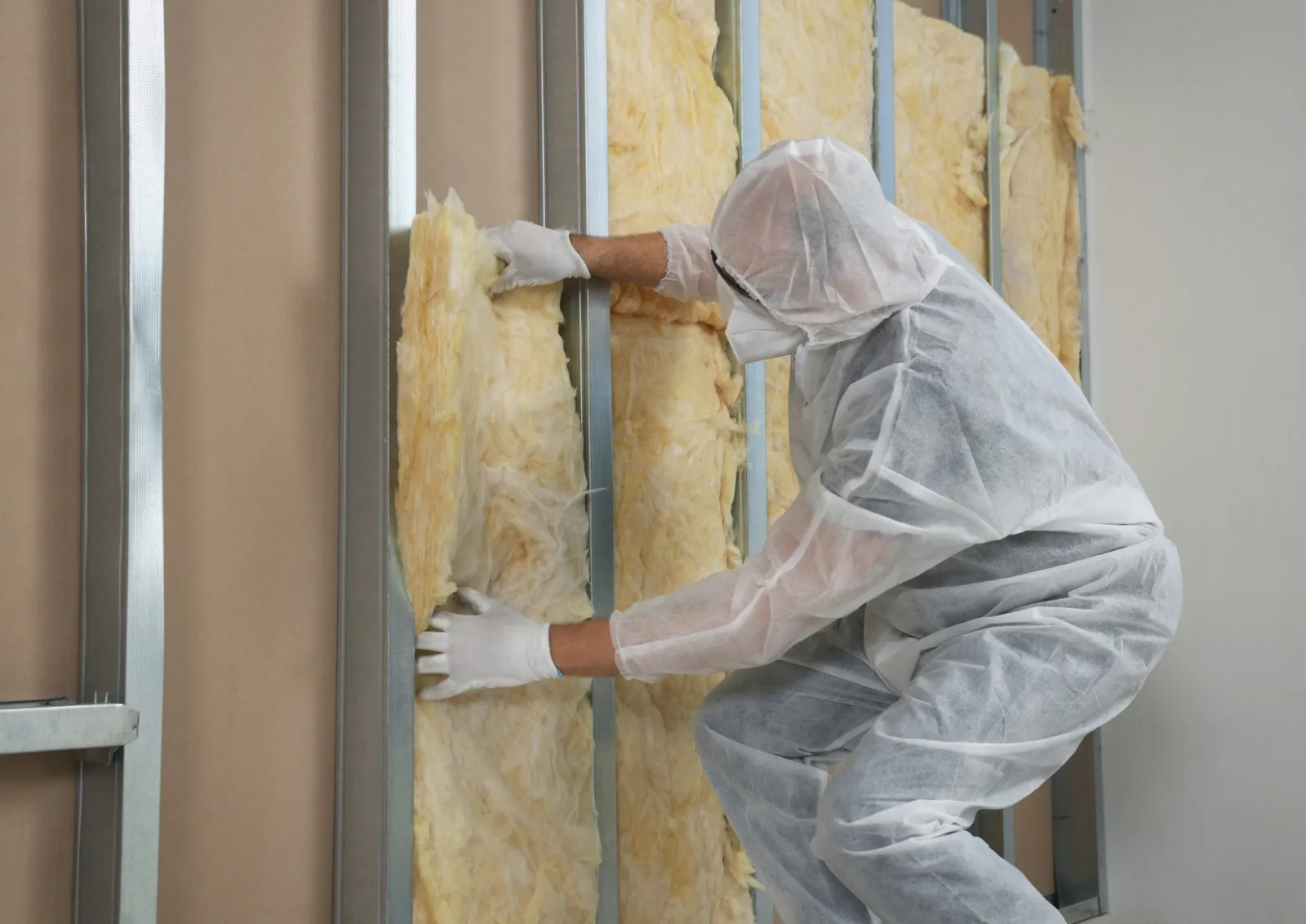
Here at TDC Groep we present our career guide for the insulation installer! We have deliberately kept this guide short and to the point. We hope you find it useful! Do you have any questions or would you like to know more? Give us a call or send us a message and we will be happy to help.
Training
There is no single course you must take to become an insulation installer. The requirements differ per employer and type of insulation work.
A technical MBO course (Dutch secondary vocational education) can be a good foundation. Think, for example, of courses in construction, building engineering, installation engineering or assembly. There are also industry-specific training courses in which you learn to work with specific insulation materials and techniques.
Depending on the position, additional certificates or instructions may be needed, for example for working safely at height, using scaffolding or working in specific work environments. A VCA certificate (Dutch safety certificate) may be required for work on construction sites or industrial sites.
Employers sometimes offer in-house guidance, so you learn the trade from experienced colleagues. This allows you to build up more independence and expertise step by step.
As an insulation installer, there are several ways to progress, such as:
Work environment
As an insulation installer, you work at different locations. One day you are insulating a house, while at another time you are working at a commercial building or industrial installation.
You often work in a team and move from project to project. Depending on the job, you work indoors or outdoors. Conditions can therefore vary: sometimes you work in a spacious industrial hall, sometimes on a construction site or in a cramped crawl space.
Would you like to start as an insulation installer straight away? Below are some jobs for you:
1. What is an insulation installer and what do they do?
An insulation installer is someone who fits, replaces and improves insulation material in buildings and sometimes also in industrial installations. The aim is to limit heat loss, keep the cold out and make buildings more energy-efficient. Depending on the work, insulation can also help reduce noise or prevent condensation.2. Daily tasks
The work of an insulation installer varies from project to project. But the daily tasks include:- Preparing surfaces and work areas;
- Measuring spaces and parts that need to be insulated;
- Cutting insulation material to size and fitting it;
- Insulating roofs, walls, floors, crawl spaces and pipes;
- Checking the quality and fit of the insulation material;
- Repairing or replacing existing insulation;
- Working with the tools and machines needed for installation;
- Tidying up the workplace and safely disposing of waste material;
- Working together with colleagues and other tradespeople on the construction site.
3. Required skills, training and competencies
Skills/competencies- Accuracy;
- Technical insight;
- Practical skills;
- Physical fitness;
- Safety awareness;
- Teamwork;
- Problem-solving ability;
- Eagerness to learn.
Training
There is no single course you must take to become an insulation installer. The requirements differ per employer and type of insulation work.
A technical MBO course (Dutch secondary vocational education) can be a good foundation. Think, for example, of courses in construction, building engineering, installation engineering or assembly. There are also industry-specific training courses in which you learn to work with specific insulation materials and techniques.
Depending on the position, additional certificates or instructions may be needed, for example for working safely at height, using scaffolding or working in specific work environments. A VCA certificate (Dutch safety certificate) may be required for work on construction sites or industrial sites.
Employers sometimes offer in-house guidance, so you learn the trade from experienced colleagues. This allows you to build up more independence and expertise step by step.
4. Career opportunities and work environment
Career opportunitiesAs an insulation installer, there are several ways to progress, such as:
- Specialist insulation installer;
- Foreman;
- Site manager;
- Work planner;
- Project manager.
Work environment
As an insulation installer, you work at different locations. One day you are insulating a house, while at another time you are working at a commercial building or industrial installation.
You often work in a team and move from project to project. Depending on the job, you work indoors or outdoors. Conditions can therefore vary: sometimes you work in a spacious industrial hall, sometimes on a construction site or in a cramped crawl space.
5. Who is this job suitable for?
This job suits someone who enjoys practical work and wants to see visible results at the end of the day. You work with your hands, use technical insight and help make buildings and installations more energy-efficient. You also enjoy working with colleagues, can handle physical work and do not mind working at different locations.6. Things to keep in mind
Although the work of an insulation installer is varied, it can also be challenging. There are therefore a number of things to keep in mind:- It is physical work; the work can be physically demanding, for example when you have to lift a lot of material or work in a certain position for a long time;
- Safety and the correct use of protective equipment are important; some insulation materials can irritate the skin, eyes or airways. That is why you must follow the instructions for handling materials and use the prescribed protection.
- The work requires accuracy; insulation must fit properly and suit the structure. It is important to take ventilation, moisture and the structure of the building into account to prevent problems later.
7. Give this job a chance!
As you have read, as an insulation installer you never work in the same place, and it is a very interesting job if you like practical work. Do you have more questions or need guidance? That is what we are here for! Send us a message and we will be happy to help you.Would you like to start as an insulation installer straight away? Below are some jobs for you:
Location Amsterdam: https://www.tdcgroep.nl/vacature/isolatiemonteur-amsterdam/
Location Emmen: https://www.tdcgroep.nl/vacature/isolatiemonteur-emmen-2/
Location Enschede: https://www.tdcgroep.nl/vacature/isolatiemonteur-enschede/
Location Groningen: https://www.tdcgroep.nl/vacature/isolatiemonteur-groningen-3/
Location Lochem: https://www.tdcgroep.nl/vacature/allround-isolatiemonteur-lochem/