
Career guide: the electrician
In this blog you can read all about the electrician: what tasks he/she carries out, where an electrician can work, what he earns, etc.
Jonnie5 min read
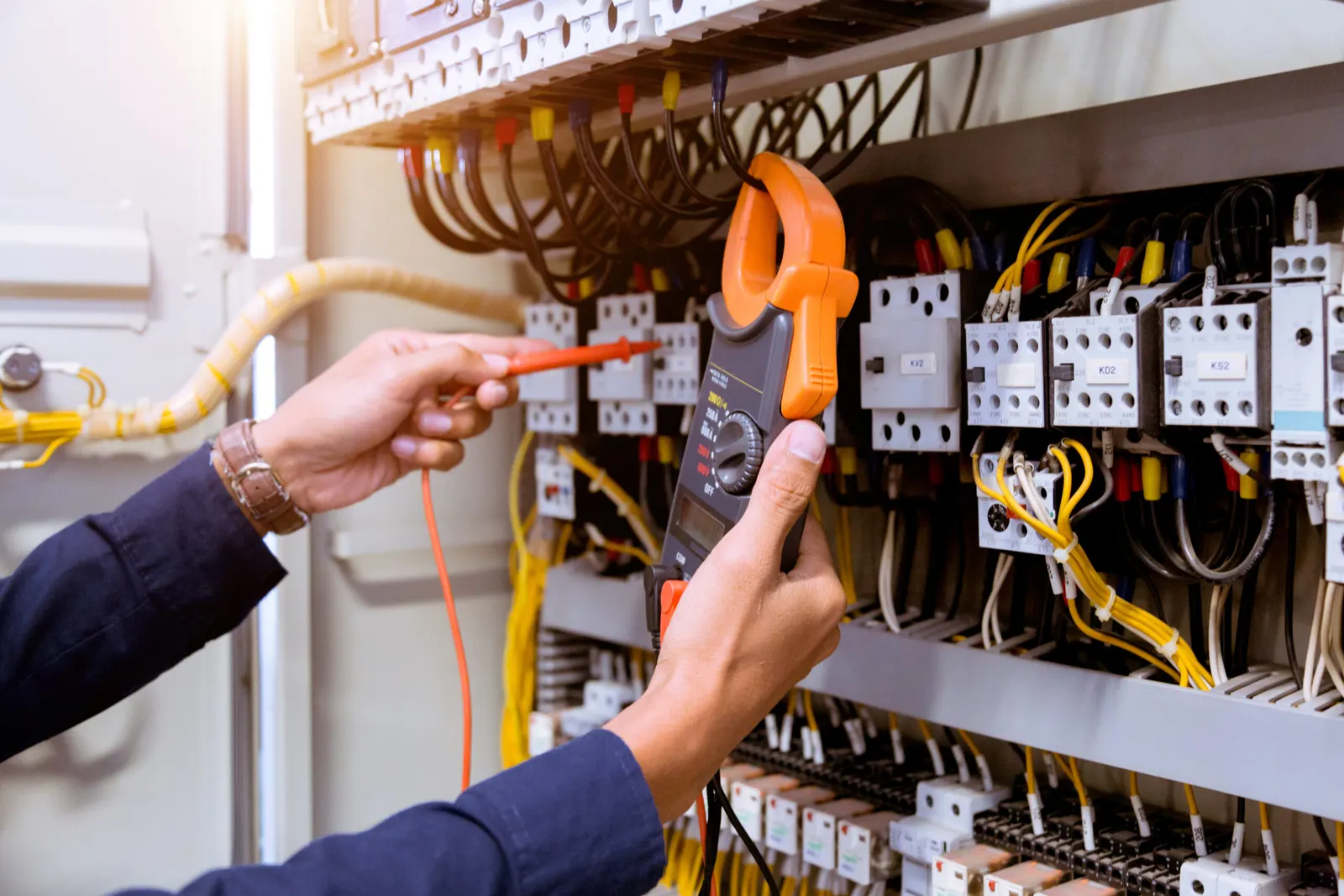
What is an electrician?
An electrician is someone who is responsible for installing, repairing and maintaining electrical equipment and appliances. This can be in a residential, commercial or industrial environment, for example. Electricians often work together with other professionals, such as engineers, using specialised tools and testing equipment.
What does an electrician do?
Electricians are responsible for the design, installation, maintenance and repair of electrical equipment and appliances. Below are some of the specific tasks an electrician may carry out.
- Installing electrical wiring in buildings, including installing sockets, switches and lighting;
- Installing and maintaining electrical systems for heating, ventilation and air conditioning;
- Installing and repairing electric motors, transformers and other electrical equipment;
- Installing and maintaining electrical security and alarm systems;
- Carrying out diagnostic tests to identify and solve problems with the electrical system;
- Reading and interpreting technical drawings and wiring diagrams to ensure electrical systems are installed and repaired correctly;
- Giving advice on buying electrical appliances.
In which environments do electricians work?
Electricians can work in various environments, depending on their speciality and the company they work for. Here are some examples of environments in which an electrician can work:
Commercial buildings
Electricians can be involved in the design, installation and maintenance of electrical systems in commercial buildings such as offices, shops, hotels and hospitals.
Industrial buildings
Electricians can be involved in the design, installation and maintenance of electrical systems in industrial buildings such as factories, shipyards and mines.
Housing
Electricians can be involved in the installation and maintenance of electrical systems in houses and flats.
Public spaces
Electricians can be involved in the design, installation and maintenance of electrical installations in public spaces, such as car parks, stations, tunnels and bridges.
Mobility
Electricians can contribute to the electrification of transport systems such as trains, trams, metros and buses.
These are just a few examples, and the working environment for an electrician will vary depending on the specialities and industries in which the company operates.
What competencies does an electrician have?
An electrician has the following competencies:
- Technical skills: an electrician must be technically skilled and able to install, maintain and repair electrical systems and equipment;
- Safety: An electrician must always put safety first and be aware of electrical safety regulations;
- Attention to detail: An electrician must work carefully and pay attention to detail to make sure electrical systems are installed and maintained correctly;
- Problem-solving skills: An electrician must be able to solve problems quickly and efficiently and think creatively when solving problems;
- Communication skills: An electrician must be able to communicate effectively with customers, colleagues and other parties involved to coordinate projects and solve problems;
- Flexibility: An electrician must be flexible and able to adapt to changing situations and deal with unexpected problems;
- Independence: An electrician must be able to work independently and handle projects without much supervision.
What specialisations can electricians have
Electricians specialise in many different areas, but the most common are:
Building installations
Electricians who specialise in building installations are responsible for installing and maintaining electrical systems in buildings, such as lighting, switchboards and electrical equipment for heating and air conditioning.
Industrial installations
Electrical technicians who specialise in industrial installations usually work in industries such as the chemical, food and metal industries. They are responsible for installing and maintaining electrical systems specific to these environments, including machines, process controls and safety systems.
Energy systems
For example, an electrician focused on energy systems is responsible for installing solar panels, wind turbines and other forms of sustainable energy.
Underwater
An electrician who specialises in subsea installations, for example, is responsible for installing and maintaining subsea electrical systems, such as on oil and gas platforms. These are just a few examples. Electricians can also specialise in other areas, such as data and communication equipment or traffic and lighting technology.
What is an electrician's salary?
But what exactly does an electrician earn? Of course, you will also want to know what you are going to earn. The average salary of an electrician is between €2,400 and €2,800. As a starter you earn around €1,800, and the maximum gross monthly wage is about €3,300. These amounts are based on a 40-hour working week. The salary of an electrician with a lot of experience, or who works in a specific sector such as industry, can be higher.
What competencies should an electrician have?
There are various skills that are important for an electrician. The most important skills expected of an electrician are:
Technical skills
You must have good knowledge and skills in the electrical and electronic field.
Problem-solving skills
Electricians must be able to solve problems quickly and efficiently and identify bottlenecks in electrical systems.
Attention to detail
A qualified electrician must be alert and able to recognise and fix faults in electrical systems.
Teamwork
Electricians must work together with other technicians, engineers and architects to complete projects.
Safety
A qualified electrician must know, understand, implement and apply the safety risks of their work
Electrical regulations and standards
Knowledge of electrical codes, laws and standards is required to ensure safety and compliance.
Adaptability and willingness to learn
Technology in the electronics industry changes quickly, so electricians must adapt to new developments and learn diligently to make progress.
What is the difference between electricians and electrical technicians?
Both electricians and electrical technicians are involved in the installation, maintenance and repair of electrical systems, but they can have different specific roles and responsibilities.
Electricians often carry out practical tasks, such as installing electrical installations, connecting appliances and carrying out repairs. They often work in construction and industry, and their work ranges from building new facilities to maintaining existing ones.
Electrical technicians, on the other hand, often focus on the theory and design of electrical systems. They are often responsible for designing, testing, developing and commercialising electrical systems. Electrical technicians often work in offices, laboratories or business environments. We are also involved in maintaining and improving electrical systems in terms of efficiency, performance and safety.
In some cases there are similarities and the two roles overlap. The main difference is that electricians mainly deal with the practical execution of electrical work, while electrical technicians mainly deal with the theoretical aspects of electrical engineering.