
Career guide: all about the industrial painter
In this blog you can read everything you need to know about the work of an industrial painter. What does an industrial painter do, how much do they earn, etc.
Jonnie6 min read
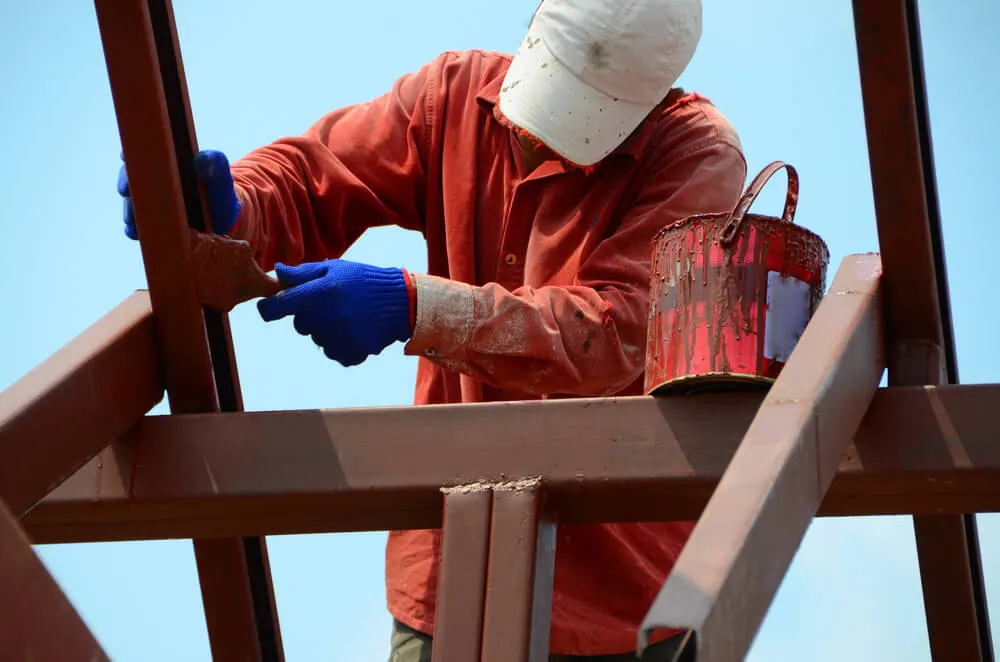
If you are interested in working as an industrial painter, you have come to the right place. In this blog we take a closer look at the world of the industrial painter and cover various topics that will help you better understand this fascinating profession.
What do you do as an industrial painter?
Before we go into the details, it is important to understand exactly what you do as an industrial painter. An industrial painter is responsible for painting, protecting and improving the appearance of various types of structures, such as buildings, bridges, industrial installations and other structures. The work of an industrial painter includes various tasks and responsibilities, including:
- Surface preparation: as an industrial painter, you often start by preparing the surfaces that need to be painted. This can include cleaning, sanding, repairing damage and applying primers. Good surface preparation ensures better paint adhesion and a long-lasting result.
- Paint application: After preparation, you apply the paint to the surfaces. This can be done using various techniques, such as rolling, spraying or brushing, depending on the type of surface and the specific requirements of the project.
- Colour selection and design: in this trade you may be involved in choosing the right colours and designing a harmonious colour scheme for a structure. This includes understanding colour theory and being able to advise on colours that suit the architecture and surroundings.
- Safety and regulations: you often work at height or in environments with specific safety risks. It is the industrial painter’s responsibility to follow safety measures, such as wearing protective clothing, working according to safety regulations and ensuring a safe working environment.
- Maintenance and repair: In addition to applying new coats of paint, you may also be involved in maintaining and repairing existing coats of paint. This can include restoring damaged or ageing paint to preserve the lifespan and appearance of the structure.
- Inspection and quality control: you often carry out inspections to check the quality of the paintwork and make sure it meets the required standards. This includes checking the coverage, uniformity and finish of the coats of paint.
- Customer communication: In some cases, an industrial painter may also communicate directly with customers to understand their needs and expectations, give advice on colour and design choices, and provide updates on the progress of the project.
In short, as an industrial painter you specialise in painting and protecting structures, and you play an important role in preserving buildings and other structures and keeping them looking good.
What skills and qualifications do you need?
To be a successful industrial painter, you need certain skills and qualifications. We will discuss which skills are essential for this trade and whether you need specific education, training, certifications or licences to start working as an industrial painter.
As an industrial painter, there are various skills you need to do your work effectively. Here are some important skills that are useful in this trade:
- Knowledge of painting techniques: A good industrial painter knows various painting techniques, such as rolling, spraying and brushing. You need to know which technique is most suitable for different surfaces and situations.
- Colour skills: The ability to recognise and combine colours and create harmonious colour schemes is essential. You need a good eye for colour and understand how different colours affect each other.
- Surface preparation: You need to be skilled at preparing surfaces before painting. This includes cleaning, sanding, repairing damaged surfaces and applying primers.
- Manual dexterity: you work with various tools, brushes and rollers. Good manual dexterity and fine motor skills are important to deliver accurate and professional paintwork.
- Knowledge of paint materials: It is important to be familiar with the different types of paint, primers and coatings that are used. You need to know which type of paint is suitable for specific surfaces and conditions.
- Safety and regulations: You need to be aware of safety rules and regulations regarding the use of paint chemicals, personal protective equipment and working at height. Safety always comes first.
- Communication skills: Good communication skills are important, especially if you work as part of a team or deal with customers. You need to be able to communicate clearly with colleagues, clients and other people involved.
- Problem-solving skills: In this work you may face challenges or problems during the painting process. The ability to analyse problems and find solutions is a valuable skill in this trade.
- Attention to detail: you need an eye for detail and aim for accuracy in your paintwork. The ability to notice and correct small irregularities or mistakes contributes to a professional finish.
- Time management: Working efficiently and being able to manage your time are important. You need to be able to complete projects within the set deadlines and take any limitations or time pressure into account.
What training do you need as an industrial painter?
When it comes to training and certification, there are several training programmes focused on industrial painting. These can help you improve your knowledge and skills so you can do your job better. In addition, certifications are available, such as the VCA certificate (Veiligheid, Gezondheid en Milieu Checklist Aannemers – a Dutch safety, health and environment certificate for contractors), which show that you know the safety rules and procedures.
Developing these skills requires experience, training and continuous improvement. As an industrial painter, it is important to keep developing your skills so you can deliver high-quality paintwork.
What does an industrial painter earn?
The salary of an industrial painter can vary depending on various factors, including the region, level of experience, type of employer and the complexity of the projects they work on. Here are some general guidelines on the salary of an industrial painter:
- Region: Salary levels can differ by region. In general, cities with a higher cost of living and a greater demand for painters often pay higher salaries.
- Level of experience: The salary of an industrial painter can rise as they gain more experience in the trade. Starting painters usually earn a lower salary, while experienced painters with a proven track record and expertise can often expect higher wages.
- Type of employer: The salary can also vary depending on the type of employer. Industrial painters can work as employees at painting companies, construction companies or government bodies, or they can work as self-employed contractors. Each type of employer may use different salary structures.
- Project complexity: Industrial painters involved in more complex projects, such as restoration work on historic buildings or specialised industrial coatings, can usually earn higher salaries because of the skills and expertise required.
It is important to note that this information is general and that individual salaries may vary. To get specific and up-to-date information on salary levels in your region, it is advisable to consult local salary data, industry organisations or trade unions.
We hope this blog post has given you a detailed insight into the trade of the industrial painter. Enjoy exploring this fascinating profession and discovering its many aspects!